

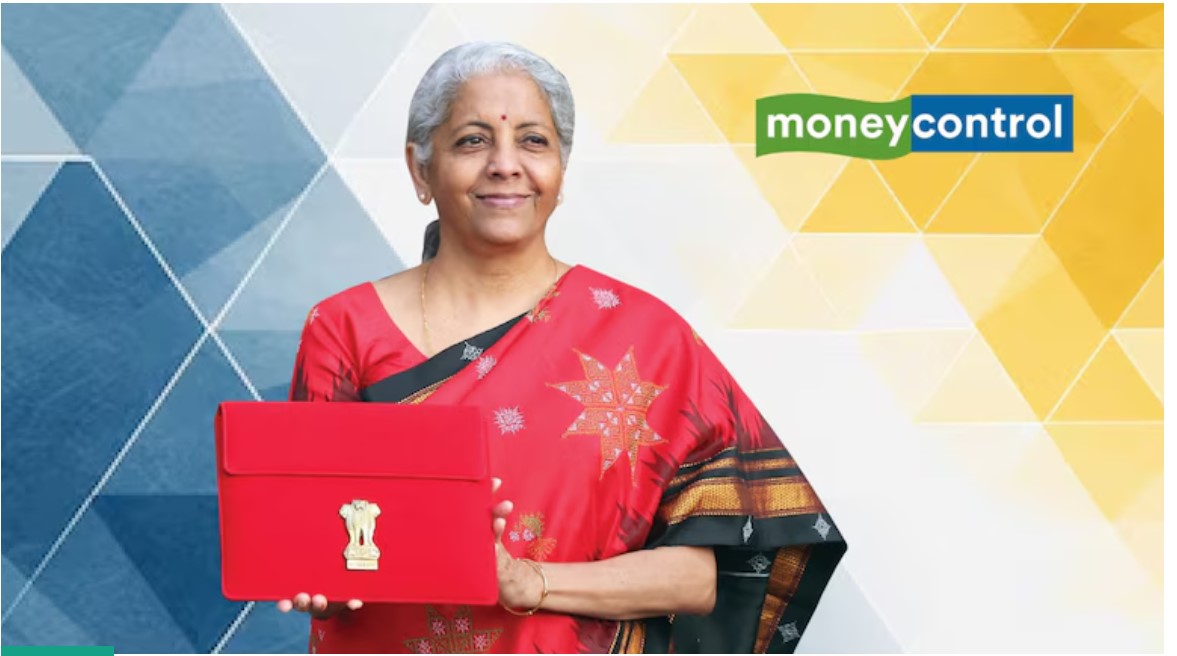
Budget 2025 focused on three big areas that needed attention: boosting consumption that has seen a significant slowdown, ensuring inflation remains under control by sticking to the path towards fiscal and promoting ease of living considering the challenges individuals face in day-to-day life.
While the slowdown in consumption and GDP growth has been evident, there were not too many who expected the magnitude of the tax rate reductions that have been announced in the budget. Inflation, which has been high in the post-COVID world and thus eaten into the purchasing power of families, along with a slowdown in credit, resulted in weakening consumption. The budget has effectively made Rs Rs 12 lakh per annum income tax free. Thus, under the next tax regime, if you have an income of Rs 18 lakh, you will receive a tax benefit of Rs 70,000, and if you have an income of Rs 50 lakh, will get a benefit of Rs 1.1 lakh. Surcharges have not been increased, as a result of which even if you are a higher income earner, you have some more money to spend if you choose to.
Spend More
About 72 percent of the individuals have selected the new tax regime, and this transition is likely to accelerate on the back of the new tax provisions. While different families will spend differently based on their own composition of education, food, healthcare and other expenses, they can choose to spend more as they prefer due to the higher disposable income. They can also choose to reduce a loan outstanding so that the EMIs can end faster, giving access to better cash flows in the future. In case you have taken a loan from a financial institution for higher education abroad, there will now be an absence of TCS or tax collected at source when the loan amount is remitted overseas. This makes foreign education more affordable by reducing the impact of currency depreciation and high overseas inflation.
Invest more
The higher disposable income should ideally find its way into more investments with an aim towards longer-term goals like retirement and education of children, ideally through putting away money in a disciplined manner each month. The enhancement in the exemption limit of TCS from Rs 7 lakh to Rs 10 lakh for investments made overseas through the Liberalised Remittance Scheme( LRS) in overseas mutual funds, exchange-traded funds and stocks has also given a fillip, by improving cash flows if you wish to diversify your portfolio of overseas assets. Additionally, the TDS or tax deducted at source limit on securities and dividends has been enhanced to Rs 10000; on rent to Rs 50,000 per month; and interest for senior citizens to Rs 1 lakh.
The NPS Vatsalya scheme provides significant benefits for parents saving for their children’s future. Contributions made by guardians to NPS Vatsalya accounts are now eligible for liquidity provisions of up to 25 percent of contributions, allowing partial withdrawals when needed. Additionally, a combined deduction of up to Rs 50,000 under Section 80CCD(1B)of the Income-tax Act has been introduced, enabling parents to claim tax benefits on these contributions. However, this is only available under the old tax regime.
Ease of Living
Challenges related to KYC or know your customer norms have caused friction in investing as well as enhanced risks of fraud. The enhancement of the Central KYC process announced should make it much easier for investors by easing much of the vexation caused by multiple KYCs across providers, which also need to be revalidated on an ongoing basis.
The Bharatiya Bhasha Pustak Scheme—digital books in Indian languages for school and higher education students in digital formats—should promote education. A centre of excellence in artificial intelligence (AI) for education should partially help India deal with its challenges of a shortage of teachers.
There has also been a mention of a new Tax Code with a focus on simplification that is expected to come in soon, continuing on the path of ease of living. A principle- and trust-based approach to regulation could make both ease of living and ease of doing business a reality, and this budget is a step in the right direction towards that.
The author is the founder and CEO of Plan Ahead Wealth Advisors, a SEBI registered investment advisory firm.
This article was first published on Moneycontrol
Disclaimers:
Investments in securities market are subject to market risks. Read all the related documents carefully before investing.
Registration granted by SEBI, membership of BASL and certification from National
Institute of Securities Markets (NISM) in no way guarantee performance of the intermediary or provide any assurance of returns to investors.
The information is only for consumption by the client and such material should not be redistributed.
The securities quoted are for illustration only and are not recommendatory.
This material is for information and educational purposes only.
The new budget is very good. But for HRA, Bangalore has not been included in Tier 1 cities whereas it has become the most expensive city in India for property purchases and rentals.
Dear Mr. Ayyar,
Thanks for your feedback.
Yes the budget this time did not make any revision to classification of metro cities and Bangalore is still considered as a non metro city.
And individuals residing in Bangalore will need to find solace for now through the government’s intent of increasing the disposable income in the hands of individuals by reduction in tax rates.
Please also note that for the sake of HRA exemption, there are other two stipulations which are also to be considered while computation such as:
The total (actual) rent paid minus 10% basic salary for each individual
AND The total (gross) HRA that the employer provides to the employee.
And thus in instances where either of these two are lower than 40% of Basic Income, then anyways the individual will only be able to claim exemption on a lower amount.